Drawing on their experience trying virtually every dining spot in Bangalore, here are Mondo Via curators’ suggestions on how to pick a restaurant, what to expect from your sensory adventure, and a few health reminders.
Things You Should Know Before Eating Out in Bangalore
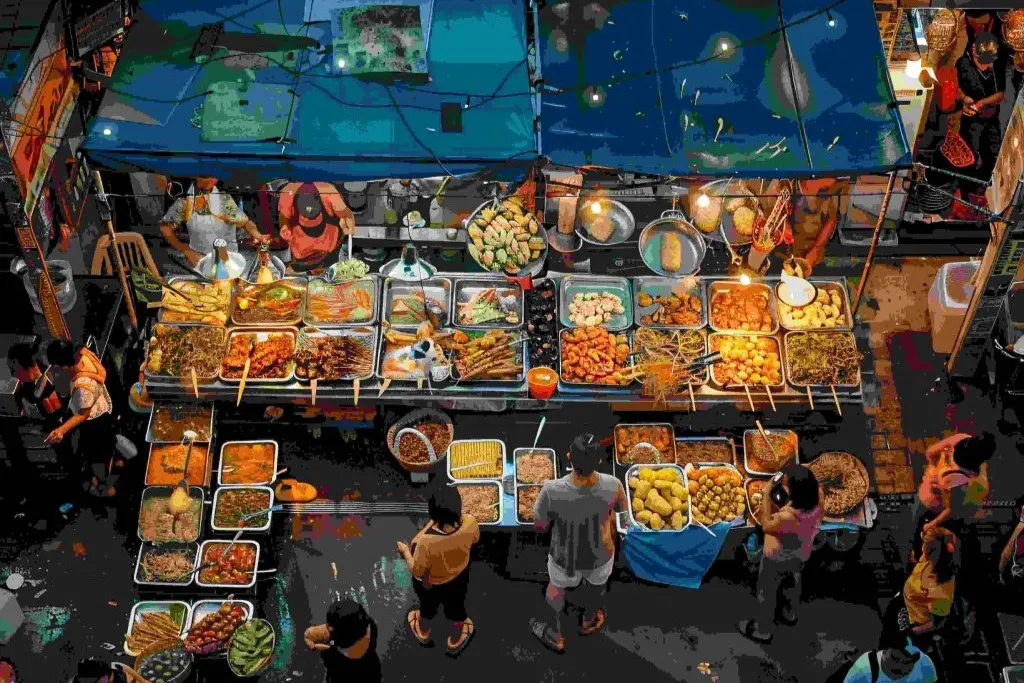
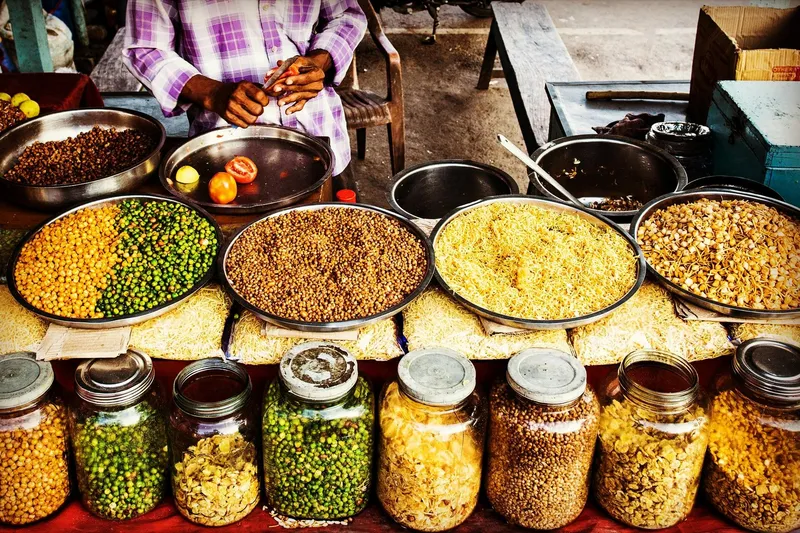
Be careful with street food. Bangalore’s diverse population and fast-paced IT culture have fostered a rich street food scene offering a variety of mouth-watering options, from traditional South Indian snacks to global flavors and complete meals. However, when buying food from street vendors, make sure what you eat is thoroughly cooked. Avoid fresh dairy products and any food that has been sitting around without being refrigerated. As a rule of thumb, if a spot looks not-so-clean, trust your instincts.
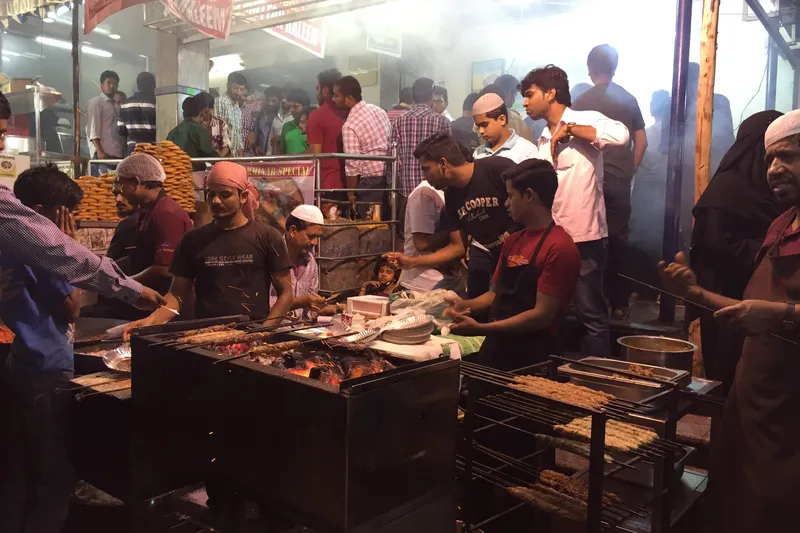
There is no such thing as "Indian food." India is home to a lot of different regional cuisines. For example, a Malabar restaurant will likely serve seafood with plenty of coconut. A Punjabi restaurant will feature rich, buttery dishes and creamy gravies. Andhra cuisine offers dishes so spicy they may challenge even the most adventurous American palate.
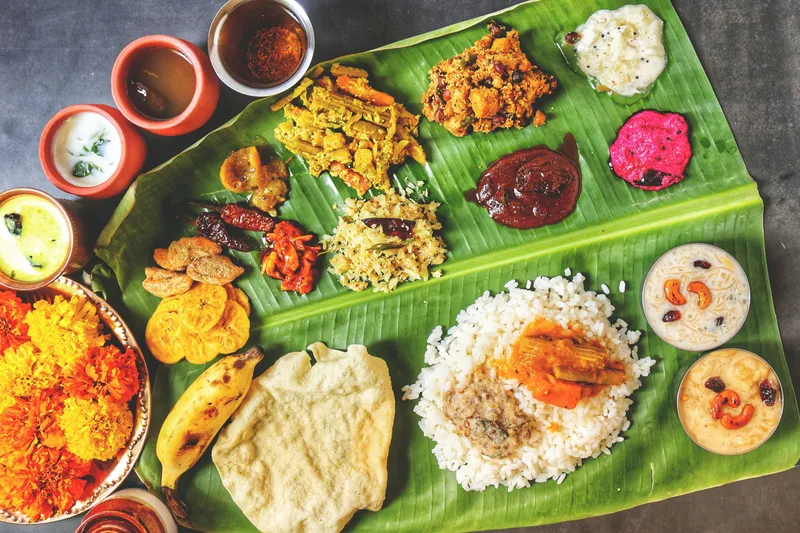
The truth about Chinese food. Chinese restaurants in India do not serve traditional Chinese food. Instead, they offer an Indian interpretation of it. In Bangalore you will find familiar-looking dishes transformed by bold Indian spices. This style, often called “Indo-Chinese,” is quite different from the food served in China or even in Chinese-American restaurants. However, it is delicious, and international visitors will likely enjoy exploring these menus.
When eating meat, use your hands. In India, meat is typically prepared using a 'curry cut,' where a cleaver is used to hack the meat into small pieces. While this is believed to add flavor to the marrow and sauce, it results in small, sharp bone shards being mixed into the dish. Using your fingers allows you to feel for these splinters before taking a bite and sort out bone or connective tissue. If you decide to use a fork or a spoon because the wait staff has assured you the dish is boneless, keep in mind that this is a never guarantee.
Always check the restroom first. The state of the hand-washing sink and of the bathroom are usually reliable indicators of the level of hygiene in the restaurant. If there is no soap for the customers, it is a sign that the kitchen crew may lack the same necessities.
The Bangalore Service Scene: What to Expect
Most wait staff lack formal training. Many waiters in Bangalore are Nepali immigrants with little or no professional hospitality training. As a result, they may not anticipate your needs in the way Western diners expect. You will likely need to signal for a waiter for every request, and it is common for dishes to be brought out in the wrong order or placed in front of the wrong person. Be patient and clear with your instructions. Navigating these minor service hiccups is just part of the charm of the Bangalore experience.
Prepare to manage your own table space. It is common for dining tables to be too small for the number of dishes served. The wait staff will typically stand by with a hot plate, waiting on the customer to make room on the table for the dishes. They generally won't take the initiative to clear space or suggest a solution. Don’t sweat it. If you run out of space, simply ask to pull over a nearby small table for the extra plates. Once you make the suggestion, a small army of wait staff will assemble to move things around for you.
Service charge and tipping. A tip of 10% is customary. Most established restaurants in Bangalore include automatically a 10% “Service Fee” in the bill. If this charge is present in your check, you’ve already tipped. If no charge was listed, or if the service was particularly helpful, an additional cash tip is much appreciated.
Dining in Bangalore—Understanding the Menu
The menu is aspirational, not factual. No matter how fancy the restaurant is, many items on the menu will not be available. Do not set your heart on just one item before ordering. Have a few backup options. Typically, at least one of your preferences will be available.
Lamb is almost always mutton. Most menus in Bangalore list lamb dishes, but the meat is usually mutton (adult goat). As a result, the flavor is stronger and gamier, and the texture is firmer and fattier than Westerners might expect. However, when prepared in a curry, the bold spices and slow cooking process help smooth out the differences between lamb and mutton.
Beef is actually buffalo. The term beef on a menu does not refer to cow meat. Unless specifically noted otherwise, the term "beef" refers to buffalo beef.
Any sandwich can be a burger. In Bangalore’s restaurant menus, a “burger” does not refer necessarily to a meat patty. The term is used broadly to describe any kind of sandwich served on a bun. For example, a "cheeseburger" might simply be bread and cheese with no meat included.
Vegetarian food is referred to as "food" or “veg.” Anything containing meat is labeled as “non-veg.” Look for these specific categories on the menu to identify what you are ordering.
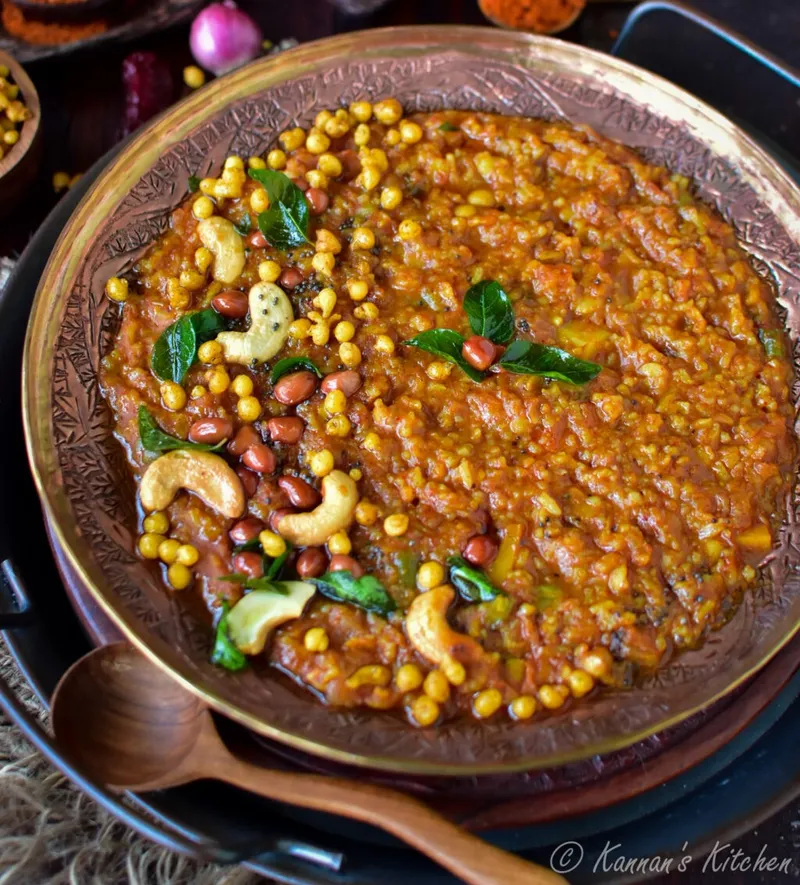
The sauces for your fries. Ketchup in Bangalore is typically pink, runny, and much sweeter than the Western versions. Mayonnaise is never made with eggs, due to local dietary preferences, and is sweet and translucent. If you don’t feel adventurous enough to try the local condiments, The best bet is the BBQ sauce. While the local BBQ sauce will not taste like the one you find back home, it is generally the most reliable pairing for fries.
Beware of nachos. American travelers should avoid ordering nachos, no matter how highly the locals recommend their version. There is a significant disconnect between American expectations and the local understanding of the dish.
Raw salads are generally a bad idea. Salads in India lack the variety of ingredients found in American versions. Beyond the poor quality, raw vegetables are difficult to wash properly with purified water in Bangalore. So, the risk of food poisoning is very high. There are plenty of other vegetarian options to choose from.
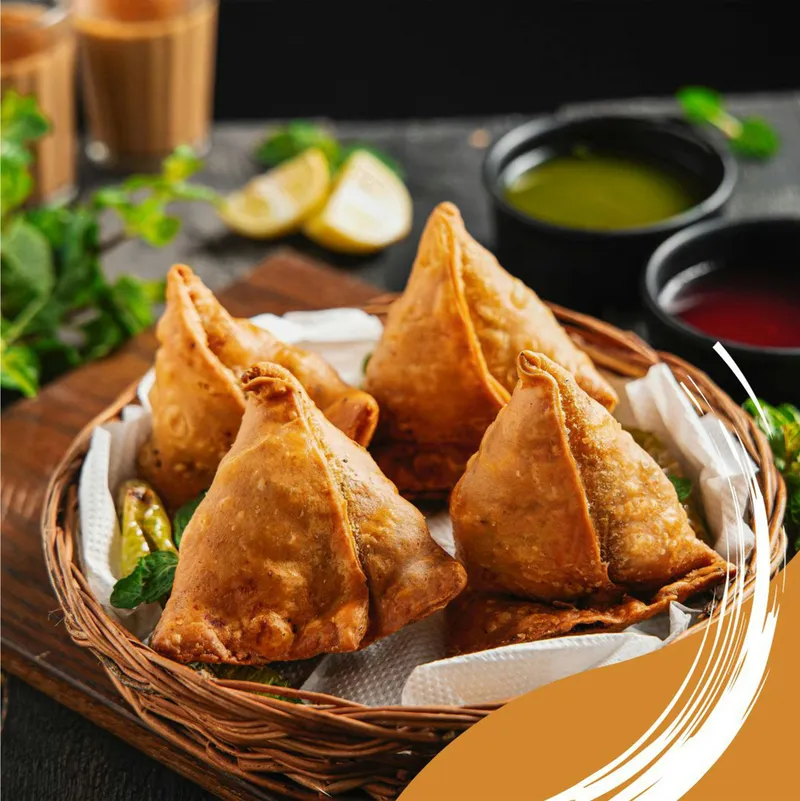
Dining in Bangalore—Ordering Drinks
Coffee. Unless you go to an American-style coffee shop like Starbucks, you will be served Indian-style coffee. It is served in a small cup and always comes with chicory, milk and sugar. Do not expect to find alternative sweeteners or non-dairy creamers. While you can sometimes order black coffee, Indians prefer light roasts. Even their dark roasts are quite light with a rather sour aftertaste. Decaffeinated coffee is very hard to find.
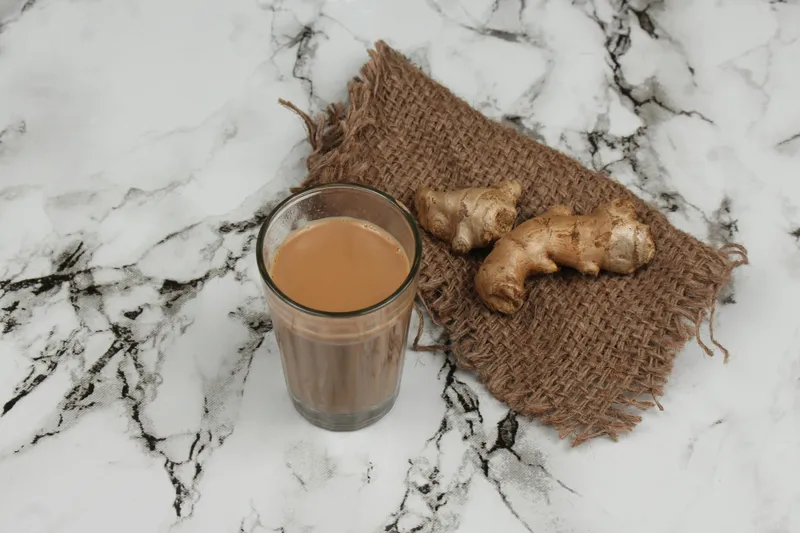
Tea. Westerners typically love what they know as "chai," which is simply the local word for tea. There are many kinds of chai in India. The specific version that most Westerners love is "masala chai," a spiced tea popular in North India. In Bangalore and the South, locals feel that the heavy spices overwhelm the flavor of the tea leaves. Southern Indians more typically drink ginger tea or lemon tea, which lack the strong spicy flavor an American visitor likely expects. Many restaurants in Bangalore still serve masala chai, though it will likely come in a very small cup with a hint of judgement.
Water. Water is not automatically included with your meal. The wait staff will ask you if you want a bottle of still or bubbles (sparkling). This is not free, but it is very affordable. Always ensure the bottle is opened at the table to guarantee the seal was intact. Regular tap water is not a safe choice for visitors in Bangalore.
Soft drinks. Be cautious when ordering soft drinks. There are no free refills, and drinks are often served in room-temperature cans or bottles. Only request ice if you are certain it is made from purified water rather than tap water. Since ice is not a common request, your waiter may find adding it to a glass a new, unfamiliar task. It is often more effective to ask for ice cubes in a separate bowl so you can add it to your drink yourself.
Alcoholic beverages. Most restaurants offer a wide range of liquors and cocktails. If are a beer lover, in Bangalore you can explore a variety of local craft brews that pair well with spicy Indian dishes. Prices of alcoholic beverages can be higher than in other Indian cities due to local taxes.
Managing dietary needs
Be prepared for a high-carb environment. Maintaining a low-carb diet in Bangalore can be challenging, as rice, delicious bread, potatoes, beans, and sweets are a part of nearly every meal. Because rice and bread are used as utensils to scoop up food, dining without them may seem unthinkable to locals. However, you can use a spoon to eat curries and dal like a soup. This strategy may draw the wait staff’s attention, and they may repeatedly encourage you to order rice or bread. Simply remain firm and polite in your request; they will eventually accommodate your preference.
Gluten awareness. Gluten intolerance and allergy are not well understood by most restaurant staff in Bangalore. Simply asking if a dish is gluten-free will not yead reliable information. You may have better results by asking what specific flour is used in a dish, as many Indian recipes naturally use gluten-free flours like chickpea, rice, or millet.
Nut and other allergies. Nuts are a significant hidden risk in Bangalore. Cashews, almonds and peanuts are used in many recipes and may not be listed as ingredients. Furthermore, peanut oil is a standard cooking medium in South India. Dairy is also used extensively in local cooking, especially in the form of ghee (clarified butter) and curd (yoghurt). Never assume a "non-veg" or "veg" label implies a lack of dairy.
A note on communication. In Bangalore, many servers are unfamiliar with the concept of a "life-threatening allergy." They may interpret a request to "avoid nuts" as a flavor preference rather than a medical necessity.
In good hands with Mondo Via experts
Nothing will simplify your business trip to India like having someone alongside you who understand your needs, knows the local landscape, and whom you can trust. Our expert curators in Bangalore know your destination inside and out and can anticipate your preferences before you ask. Contact us today for a bespoke consultation or in-person assistance.
Photo credits: Bangalore street: veen83.com; Food on banana leaf: Saveurs Secretes; Bisi Bele Bath: Kannan's Kitchen; Fried Veg Samosa: Karthikeyan Anand; Masala Tea: Abhinav Singh; Street vendor: NeoSiam2024