Quick facts about Istanbul
Türkiye’s biggest city and the world’s 11th most populous, Istanbul has long been the country’s economic, historical and cultural center. Shaped by a rich heritage and diverse cultural influences, this historic crossroads has evolved into a modern megacity whose international importance continues to grow.
Location
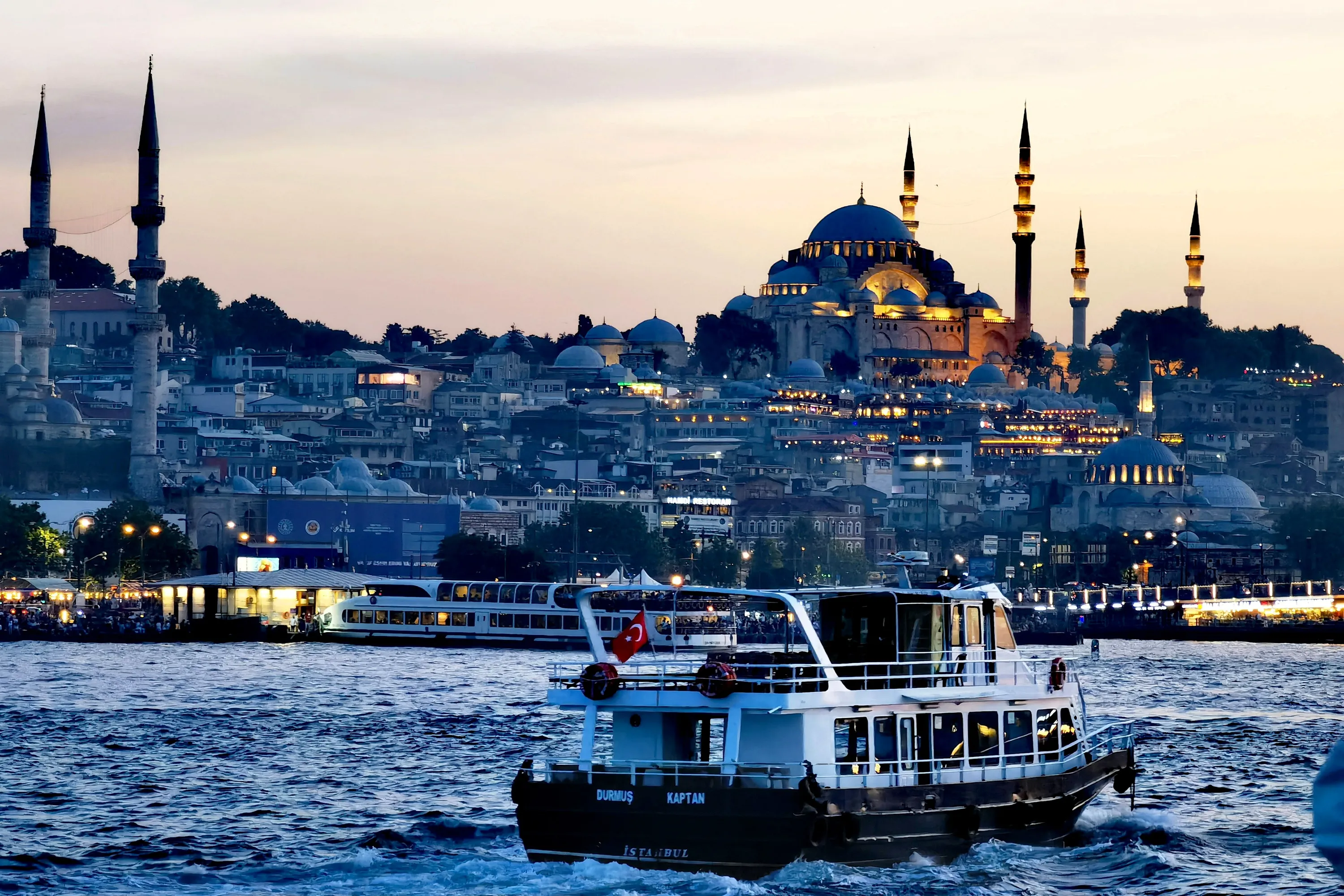
Istanbul sits along the strategic Bosphorus Strait, a narrow waterway that connects the Black Sea to the Sea of Marmara, and it is therefore both a European and Asian city. Its four UNESCO World Heritage sites reflect the city’s rich Byzantine and Ottoman legacy as an imperial capital. The weather is strongly influenced by the warmer Mediterranean and cooler Black Sea, causing hot summers and somewhat cold and rainy winters with occasional snow.
Industries
Istanbul is the fifth most visited city in the world, with nearly 20 million international visitors in 2025. While tourism is one of Istanbul’s leading industries, this metropolis is Turkey's main commercial powerhouse, with significant growth in sectors like manufacturing, finance, ICT, logistics, and real estate.
Business opportunities
With a foreign trade volume exceeding 200 billion USD and 75,000 companies engaged in international trade, Istanbul is one of the major commercial centers and nearshoring hub in the region. Recent legal reforms introduced major incentives and tax deductions for companies operating out of Istanbul, with the clear intention of transitioning this city into a global competitor alongside major financial trade hubs.